CBL
Okay, occasionally something comes along that makes my life easier. Not often mind you, especially in today’s world of gadgets where we THINK we are making things easier only to realize we still haven’t figured out how to set the timer on our VCR, our now obsolete VCR.
Sometime last year, thanks to an old friend in Los Angeles, I was given one of these babies to play with, to experiment with, and being a typical photographer set in my ways, I just left it in my camera bag.
Well, about six weeks later, while shooting, I looked down and saw this beast tucked away in an outside pocket. I felt bad. The person who loaned me this is a really great guy and I thought to myself, “Use it, test it, and send him a report.”
So I did.
I now have a new favorite tool for the “front end” of my workflow, at least when I am shooting digital. Color balance is not romantic, not flashy, not really that interesting, and for the most part is rarely spoken about in the photography world. We love cameras, and in most cases photographers think that their day begins with loading that first card, setting the camera to auto white balance, focusing and snapping that first frame, and for many, I’m learning, that is how it does begin.
But, but, but, just hold those horses for one minute. I was guilty of this as well, for a long time, but now I have a little secret that I use BEFORE I fire that first frame.
The
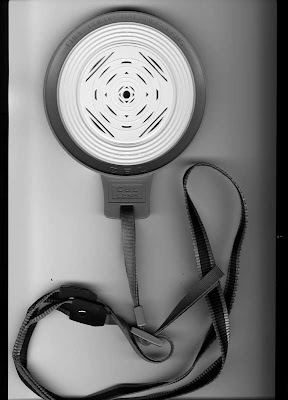
“Color Balance Lens” or “CBL” was designed and manufactured in Korea, and in short, I know how it works, but even if I didn’t it wouldn’t matter. What is important is that it DOES work.
In short, you place the CBL in the light falling on what you are photographing and you then photograph the CBL as it fills about 75% of your viewfinder. I then hit the “Custom White Balance” menu option on my
Canon 5D and it asks, “Is this the image you want to use for your white balance?” I hit “yes,” and boom I’m off to the races.
This disc measures the color spectrum and creates a “recipe” for color that my camera understands, and man o man you can’t believe the difference.
On my first shoot I did half with and half without the CBL and just looking at thumbnails you could see a HUGE difference. I don’t shoot digital anymore without first using the CBL.
This is not to say you are not going to make adjustments in your post-production, but your starting point is so much better than what you get by allowing the camera to figure things out.
What is interesting is that I have spoken to many photographers about this and the range of acceptance has been varied. Many photographers respond, “I don’t need it, I shoot RAW.” It has nothing to do with RAW, and I only shoot RAW as well. Digital post-production is about time and efficiency, and this tool allows you to be more productive, more efficient and saves you loads of time. One photographer said, “I never need to color correct because my eyes are so good.” That was stunner, and I wish I had their eyes, although I have to say, I’m somewhat skeptical of that remark.
There are many ways to get to from point A to point B, but this one, to me, is the best I have seen.
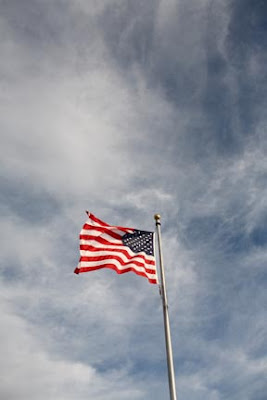
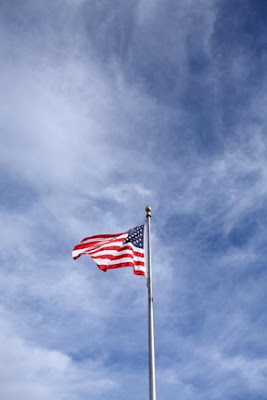
Often times when I hear photographers speak of their field practices there is a feeling of “I’ll fix it in post,” which always makes me scratch my head. Not that I don’t’ LOVE scratching my head, but perhaps what makes the most sense is to make the BEST possible image in the field so that you have to spend the LEAST amount of time in post? The CBL is a great first step. Check it out. I've put a before and after sample to show you what I'm talking about.


